h1Delightful Teach: A Designer’s Real-World Embroidery Review/h1
h2First Impressions: Playful Charm with Practical Potential/h2
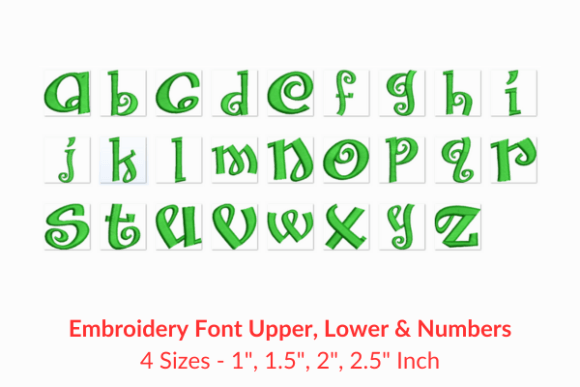
pWhen I first opened the Delightful Teach embroidery file, I was struck by its whimsical personality. The design immediately feels like a classroom classic, but with a soft, approachable twist. It’s not overly formal or stiff, which makes it ideal for a range of creative applications beyond just school-themed projects. The layout is clean and centered, with enough visual detail to draw attention without overwhelming the fabric. The font style is friendly and slightly rounded, giving it a youthful but not childish appearance. It’s the kind of design that could work equally well on a teacher’s tote bag or a child’s backpack—versatile, but with a clear identity./p
h2Real-World Use: From Tote Bags to Baby Clothes/h2
pI recently tested Delightful Teach on a custom embroidered tote bag for a local boutique, and the result was exactly what I hoped for—bright, legible, and charming. The satin stitch outlines held up well on medium-weight cotton canvas, and the fill stitches gave the letters enough body to stand out without looking bulky. I also tried it on a baby onesie, and even with the stretchy knit fabric, the design maintained its clarity when I used a lightweight stabilizer. It scaled nicely for smaller hoop sizes, though I did notice some slight compression in the tighter curves when stitched at reduced dimensions./p
pFor personalized gifts like embroidered towels or sweatshirts, this design brings a nice balance of professionalism and playfulness. It’s especially effective when paired with soft pastel thread colors on light backgrounds, though I’d recommend testing thread contrast on darker fabrics to ensure legibility. As a small business owner or Etsy seller, this is the kind of embroidery file that can elevate a simple product into something memorable./p
h2Where to Use It (and Where to Be Careful)/h2
pDelightful Teach shines in custom apparel, tote bags, aprons, and embroidered patches. It’s also a strong contender for nursery decor or baby embroidery projects, where a touch of lighthearted design is appreciated. I’ve used it on a few holiday-themed items too—think embroidered tea towels or personalized pillow covers for back-to-school season—and it always reads as both festive and functional./p
pThat said, there are a few considerations. On very thin or stretchy fabrics, the stitch density can cause slight puckering if you’re not careful with stabilizer use. I’d also be cautious with dark fabric backgrounds unless you’re using a contrasting thread—some of the finer details can get lost. For curved surfaces like caps or hats, test the design first to ensure the lettering doesn’t distort. And if you're planning to sell embroidered items online, make sure to preview the design in digital mockups—both color and black-and-white versions—to see how it translates visually./p
h2Design Impact: Visual Appeal and Customer Response/h2
pFrom a branding standpoint, Delightful Teach adds a layer of approachability to any product. Whether you're running a small craft business or selling on Etsy, this design helps communicate warmth and creativity. I’ve noticed that customers tend to respond positively to embroidered items that feel handmade but still polished, and this design hits that sweet spot. It’s not so busy that it distracts from the product, but it’s distinctive enough to leave an impression./p
pIn terms of giftability, this design works well for personalized items like baby gifts, teacher appreciation tokens, or boutique merchandise. It gives a sense of thoughtfulness without being overly sentimental. For commercial embroidery use, it’s a solid choice for small shop branding or seasonal product lines, especially when paired with coordinating embellishments like small icons or floral accents./p
h2Practical Notes for Embroidery Designers/h2
pBefore using Delightful Teach in any project—personal or commercial—make sure to test it on scrap fabric first. Pay close attention to how the satin and fill stitches perform on different materials. If you're working with textured or stretchy fabrics, use a quality stabilizer to prevent distortion. Thread color selection is key here; aim for high contrast to make the design pop, especially on darker backgrounds./p
pAlso, check the hoop size and design scale before stitching on smaller items like baby caps or patches. If the file includes multiple sizes, use the appropriate one for your project to avoid unnecessary resizing. For digital product sellers or craft entrepreneurs offering printable mockups, test the design in both light and dark fabric mockups to ensure it reads clearly across variations./p
pFinally, if you're planning to sell finished items or digital embroidery files, double-check the licensing terms. Make sure the design is cleared for commercial use and that you understand any limitations on resale or distribution. It’s a small step, but one that can save you from potential headaches down the line./p
h2Final Thoughts: A Worthy Addition to Your Embroidery Kit/h2
pDelightful Teach is more than just a school-themed embroidery design—it’s a versatile, well-constructed file that works across a range of real-world applications. Whether you're a hobbyist making personalized gifts or a small business owner building a product line, this design brings both charm and practicality to the table. It’s not without its limitations, but with a little care and attention, it can elevate your embroidery projects from simple to special./p
pAs a designer, I appreciate when a machine embroidery file like this one strikes the right balance between visual appeal and usability. Delightful Teach does exactly that, making it a reliable choice for both beginners and experienced embroiderers alike./p