Alphabet Letter R Outline: A Craft Fair Seller’s Review
As an experienced embroidery designer preparing for a busy weekend craft fair, I approach every new design with a critical eye. It is not enough for a digitized file to simply look good on a computer screen; it must translate into a profitable, high-quality finished product that catches the attention of shoppers walking past my booth. When evaluating the Alphabet Letter R Outline, I am looking for versatility, production efficiency, and that specific visual appeal that turns a browser into a buyer. This review breaks down how this specific machine embroidery design performs in a real-world commercial setting, specifically for sellers targeting school-themed items, personalized gifts, and boutique home decor.
First Impressions: Vibrant Flair Meets Practical Utility
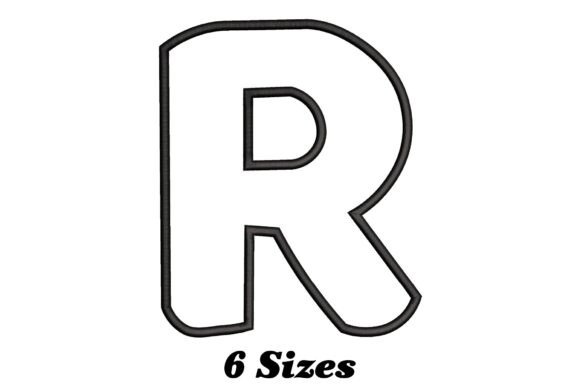
The description promises a "stylish update" and "vibrant and imaginative flair," which immediately signals that this is not a stuffy, traditional serif font. As a designer, I interpret "outline" in this context as a clean, legible style that likely avoids excessive fill stitches. For a craft fair product, this is excellent news. Outline-style lettering typically offers a modern, airy aesthetic that feels less heavy than dense satin or fill letters. It strikes a balance between playful and polished, making it suitable for both children’s school items and adult kitchenware.
Visually, the Alphabet Letter R Outline appears to be a strong candidate for high-contrast applications. Because it relies on line work rather than heavy coverage, it allows the base fabric to breathe. This is crucial when selling at outdoor markets or bright indoor venues where texture matters as much as color. The design feels approachable and customizable, suggesting it can serve as a monogram initial, a name component, or a standalone decorative element without overwhelming smaller items like pouches or caps.
Top Performing Products for Market Sales
When stocking a booth or updating an Etsy shop, I need to know where a design yields the highest return on time invested. Based on the characteristics of the Alphabet Letter R Outline, here are the products I would prioritize for batch production:
- Tea Towel Embroidery: This is arguably the strongest application. Flour sack towels and linen tea towels are craft fair staples. An outline letter stitches out quickly on these fabrics, keeping production costs low while maintaining a premium, farmhouse-chic look. The "R" could stand for "Recipes," "Rustic," or a family surname.
- School Spirit Gear: Given the "School" category association, this design is perfect for spirit wear. Outline letters are ideal for layering over varsity stripes or placing on the chest of t-shirts. They read clearly from a distance, which is vital for apparel sales.
- Tote Bag Design: Canvas totes require bold graphics. Because this design adds "imaginative flair," it works beautifully as a large focal point on natural canvas. The open nature of an outline design prevents the bag from becoming stiff or bulletproof-like, preserving the drape of the fabric.
- Apron Embroidery: For boutique makers, aprons are high-value items. Placing the Alphabet Letter R Outline on the bib or pocket adds personalized value without requiring hours of stitching time. It elevates a standard blank apron to a custom handmade product.
- Embroidered Patches: If you sell patches separately or as add-ons, outline letters are efficient. They use less thread and stabilize easily on felt or twill, making them perfect for quick impulse buys at your table.
Production Reality: Stitch Density and Efficiency
For the Etsy seller or small business owner, time is money. One of the primary advantages of choosing an outline-style alphabet is stitch density. Unlike filled block letters that can contain 5,000 to 8,000 stitches per letter, a well-digitized outline may only require 1,500 to 3,000 stitches depending on size. This drastically reduces machine run time, allowing for higher volume output during the pre-fair prep phase.
However, efficiency does not mean compromising quality. When reviewing the embroidery file, I check for jump stitch management. Outline designs can sometimes suffer from excessive trims if the digitizer did not optimize the path. Before committing to a full production run of pillow covers or market bags, I always inspect the design assets for logical stitch sequencing. Fewer trims mean less post-production cleanup and a neater backside, which discerning customers often check to gauge handmade quality.
Photographing outline designs for online listings requires specific attention. Because they are thinner than filled letters, they can disappear in low-light photos. I recommend using high-contrast thread colors against the background fabric for your printable mockup and listing photos. A white outline on a cream towel might look elegant in person but invisible on a phone screen. Always verify visibility in thumbnails.
Critical Use Notes and Fabric Considerations
While the Alphabet Letter R Outline is versatile, it is not immune to technical challenges. As a professional, I must highlight areas where caution is required to avoid wasted blanks and frustrated customers:
- Textured Towels and Terry Cloth: Outline stitches can get lost in high-pile fabrics. If applying this to plush towels, you must use a water-soluble topping to keep the stitches visible and crisp. Without it, the "stylish update" will sink into the loops and look messy.
- Curved Cap Surfaces: Hooping caps is already difficult. Thin outline letters can distort easily on curved surfaces if the cap frame is not perfectly aligned or if the design lacks adequate underlay. Test on a scrap cap first to ensure the curve of the "R" doesn't warp.
- Small Sizing Limits: Outline designs have a minimum viable size. Reducing the Alphabet Letter R Outline below 1 inch may cause the running stitches to perforate the fabric or become illegible. Always respect the digitizer's recommended minimums.
- Dark Fabrics: On black or navy materials, ensure the outline stitch count is sufficient to cover the fabric weave. Sometimes a single run stitch isn't opaque enough; you may need to double the thread or select a heavier weight thread for contrast.
Designer’s Checklist for Commercial Success
Before listing this as a commercial embroidery product or taking it to a weekend market, run through this practical verification list. These steps separate hobbyists from professional boutique makers:
- Verify Licensing: Confirm that your purchase of the digital embroidery file includes rights for selling finished physical products. Never assume commercial use is permitted.
- Test on Scrap Fabric: Do not hoop a $20 linen apron first. Test the Alphabet Letter R Outline on a similar weight scrap to check tension and registration.
- Check Stabilizer Pairing: Match your stabilizer to the fabric, not just the design. Cut-away for stretchy knits (t-shirts), tear-away for stable wovens (tea towels), and adhesive spray for hard-to-hoop items.
- Confirm Hoop Size Compatibility: Ensure the design fits your specific machine’s hoop dimensions with adequate margin for the presser foot. Nothing halts production faster than realizing a design is 4x4 but your smallest hoop is 3.5x3.5.
- Create Real Mockups: Digital overlays are useful, but a photo of the actual stitched Alphabet Letter R Outline sells better. Customers want to see real thread texture and fabric interaction.
- Review Thread Contrast: Evaluate your color palette. Does the "vibrant flair" mentioned in the description match your brand? Stock variegated or high-sheen threads if the design calls for extra pop.
Final Verdict for Handmade Entrepreneurs
The Alphabet Letter R Outline represents a smart investment for small shop product lines. Its balance of speed, style, and adaptability makes it a workhorse for craft fair inventory. Whether you are personalizing school supplies, embellishing home decor, or creating giftable handmade items, this design offers the flexibility needed to maximize booth appeal. By respecting technical limitations regarding fabric texture and sizing, and by leveraging its quick stitch-out time for batch production, you can turn this single letter into a consistent revenue stream. Remember, in the world of machine embroidery, the most profitable designs are those that marry artistic charm with manufacturing pragmatism.